Chicago homes endure more freeze-thaw cycles than most cities in the country. That punishment shows up in hairline masonry cracks that widen by March, aging furnaces that choose the coldest morning to quit, and gutters that seem fine in October but overflow in April. A seasonal rhythm keeps small problems from snowballing into big bills. The goal is not to create busywork, but to focus on tasks that prevent water intrusion, prolong mechanicals, and preserve finishes under Midwest conditions.
What follows is a practical calendar that blends contractor-grade know how with punch-list simplicity. Use it as a living document, and adjust for your building type, whether you are in a 1920s brick bungalow in Portage Park or a newer three flat in Logan Square.
Spring reset after the thaw
Spring in Chicago is wet, windy, and still chilly at night. Snowmelt and rain push water toward foundations, and the first warm days coax homeowners onto decks and into garages. Start outside, then move in.
Walk the perimeter while the ground is damp. Look for soil settling that slopes toward the house. An inch or two of slope away from foundation walls makes a measurable difference in seepage during heavy rain. Add topsoil where needed and extend downspouts at least 6 feet from the foundation. If your gutters emptied straight down all winter because extensions were removed for snow shoveling, reconnect them now.
Inspect masonry and concrete. Freeze-thaw cycles loosen mortar and pop surface spalls in steps and porches. Hairline cracks under a sixteenth of an inch can be monitored. Wider gaps should be tuckpointed before summer storms. In our experience, a tidy repoint on a south-facing chimney throat can add a decade of life, while ignored cracks funnel water into bedrooms.
Check the roof from the ground with binoculars. You are looking for lifted shingles, missing tabs, or wave lines that suggest underlayment buckling. Flat or low slope roofs common to two flats deserve special attention. Look for ponding, which shows as dark patches after a sunny day. A small depression can be filled with compatible patch, but widespread ponding is a sign to call a roofer before August heat bakes the membrane.
Reset the drainage system. Clean gutters and downspouts thoroughly, even if you did it in late fall. In older neighborhoods, helicopters from maple trees clog elbows by May. We use a hose from the top and verify full flow at the bottom. If water burps back at a seam, disassemble that joint and clear it. Add screw fasteners in place of loose spikes to tighten sagging runs.
Open exterior hose bibs and test them for leaks inside the basement. Frost-proof spigots can still split if hoses were left attached over winter. If you see water appear on the interior wall minutes after turning the faucet on, close the valve, remove pressure, and replace the stem before lawn season.
Inside, test the sump pump. Lift the float manually or pour a five gallon bucket of water into the pit. Pumps fail silently after sitting for months. A battery backup earns its keep during June storms when utility power blinks. If your neighborhood loses power routinely, a water powered backup is an option, but it depends on city water pressure and has a higher operating cost.
This is also a good time to inspect for winter condensation damage. Attic sheathing that frosted in January may show darkened plywood by April. Verify that bath fans vent outdoors, not into the attic. If the attic smells musty, add a quick pass of air sealing at ceiling penetrations, then boost insulation later in the year when contractors have more availability.
Summer upkeep with heat and storms in mind
Chicago summers bring hail, high humidity, and big temperature swings from lake breezes. Mechanical systems run hard. Paint cures quickly, which makes it the window for exterior work and deck maintenance.
Service the air conditioning. Replace the filter, clean the outdoor condenser with a gentle coil cleaner, and trim plants back at least 2 feet to ensure airflow. If the supply air temperature is not at least 15 degrees cooler than the return air on a mild day, call for a refrigerant evaluation or cleaning of the evaporator coil. Running an underserviced unit all summer shortens compressor life.
Seal the building shell. Caulk hairline gaps around windows and doors to keep humid air out. Focus on the western and southern exposures where UV breaks down sealants faster. On a stucco or masonry facade, use backer rod and a masonry rated sealant, not generic latex caulk that fails in a season.
Refresh deck surfaces. A deck that sees snow piles and rock salt needs summer attention. Test water beading with a cup of water. If the water soaks in within 10 seconds, it is time for a cleaning and a penetrating sealer. For composite decking, tighten loose fasteners, especially around stairs, and replace any mushroomed plugs that collect water.
Evaluate exterior paint. Sun and storms peel the south and west sides first. Scrape to sound layers, spot prime with an oil or bonding primer on bare wood, then top coat. If your house has stubborn, alligatoring trim, this is the season to consider a full repaint. Color choices matter for resale. The best neutral paint colors for home resale skew toward soft whites and light grays with warm undertones in Chicago’s light, which keeps facades bright through long winters.
Inside kitchens and baths, humidity peaks. If you have been thinking about interior updates, small moves go far. Budget-friendly kitchen updates that make a big impact include swapping cabinet hardware, installing a bright backsplash, or painting cabinets instead of a full replacement. We have seen homeowners get tired of sanding doors by door number three, so know your tolerance. Cabinet painting vs. staining is not only about looks, it is about wood species and existing finish. Oak grain telegraphs through paint unless you fill it.
For those considering a refresh beyond cosmetics, read up on how to choose the perfect kitchen countertop material for your home. In Chicago family kitchens, quartz remains popular for durability, while Thinscape countertops have gained traction with clients who want a slim, modern profile without the weight of stone. If you plan to execute a backsplash, a clean substrate and a layout that respects outlet locations will save hours. The complete kitchen backsplash installation guide many pros follow is simple: measure twice, dry lay, then cut. Rushed tile shows forever.
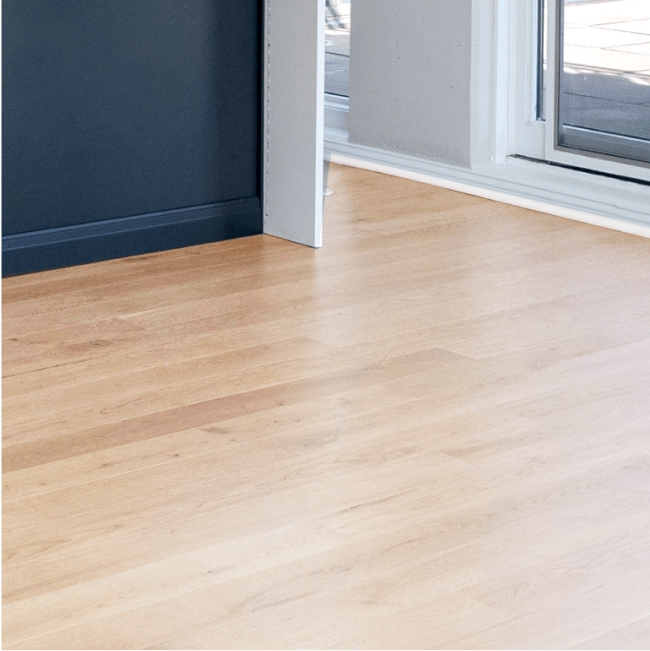
For flooring, humidity challenges wood movement. Keep indoor humidity around 40 to 50 percent. If boards cup in July, do not sand immediately. Most will flatten when the heat kicks on in October. The benefits of professional hardwood floor maintenance show up in these months, where a cleaning and buff coat can buy time between full refinishes. If your floors show gray water spots near balcony doors, protect hardwood floors from water damage with weatherstripping and a better threshold.
Fall preparation before the first freeze
Fall is the most important season for Chicago maintenance. The goal is simple, enter winter with a dry, tight building and mechanicals that are clean and tuned.
Have the furnace serviced. Replace the filter, inspect the heat exchanger, check combustion and draft, and confirm that the flue is clear. On older gravity vents, nests are more common than you think. Carbon monoxide detectors should be tested and dated. If yours are older than 7 years, replace them. When we start up forced air systems for clients, we often find dampers half closed from summer balancing. Open them before cold snaps expose uneven heating.
Clean chimneys and evaluate flues. A wood burning fireplace used a handful of times can still build creosote. Gas log sets vent moisture and can reveal weak mortar in the chimney crown. If you see efflorescence or staining on the exterior, put a camera down the flue and address defects before lighting fires in January.
Shut down exterior water. Disconnect hoses, drain and shut off interior valves to exterior bibs, and drain irrigation systems. We see far more burst lines in row houses where a half finished basement hides a forgotten shutoff. Tag the valve with painter’s tape to remind yourself which one controls the exterior.
Attic and eaves deserve a second look now that wasps and bees have finished their season. Rescreen gable vents, seal any bird gaps along soffits, and insulate any last bits of exposed pipe near outside walls. A single poorly insulated elbow in a north wall can freeze even if the rest of the system is perfect.
Seal the envelope at penetrations. Dryer vents, cable entries, and meter boxes are common wind leaks. A bead of high quality exterior sealant and a piece of flashing tape where appropriate stop wind washing that steals heat. Weatherstrip doors. A snug latch and even reveal around the jamb can reduce drafts that make a 68 degree house feel like 63.
This is also the best window to paint interiors. How long does interior paint last in Chicago’s climate depends on sun and humidity, but kitchens and baths typically need repainting every 3 to 5 years. Use a scrubbable satin or semi gloss in baths, and do not skip proper ventilation. Bathroom ventilation matters in winter, when steam clings to cold surfaces and feeds mildew.
If a bathroom remodel is on your list for the coming year, fall is the time to plan. Less invasive work like a new vanity or lighting goes fast. For larger scopes, think ahead about how to plan a kitchen remodel while living in your home, because similar staging and dust control practices apply to baths and kitchens alike. A clear path, good zipper walls, and realistic timelines make the difference between a manageable three weeks and a miserable eight.
Winter routines that prevent emergencies
Winter in Chicago is not just cold, it is long. Success comes from a few habits and eyes on the weak spots.
Keep snow away from siding and foundation walls. Pile it toward the yard, not against the house. Revisit downspout extensions after heavy snowfalls. Plow crews bury them, then meltwater in a January thaw runs straight to the footing. When temperatures drop again, that same water freezes in cracks and expands.
Maintain a steady indoor temperature. Letting the interior drop into the low 60s to save energy can backfire on the coldest nights. Interior pipes in exterior walls, especially in kitchens behind base cabinets, are vulnerable. Open cabinet doors on subzero nights, and run a slow drip if you have any history of freezes.
Run bath fans after showers for at least 20 minutes. Moisture trapped in small baths leads to paint failure and mold growth. If you see persistent condensation on windows, consider a small dehumidifier or adjust the humidifier on your furnace. We set whole home humidifiers to 35 to 40 percent in deep winter to balance comfort and window condensation.
Test GFCI and AFCI outlets monthly. Older Chicago homes that have had layers of electrical work added benefit from regular checks. Common electrical issues in older homes include backstabbed receptacles that loosen with temperature changes and aluminum to copper transitions that were done hastily in the 70s. If you smell anything hot at a panel or see lights dim when a space heater starts, get an electrician to evaluate the load distribution.
Keep an eye on roof loads. Heavy lake effect snow can settle unevenly on one side of a hip roof. Look for cracking sounds or doors that suddenly rub. These are rare events, but if you notice them, move people out of the most affected room and consult a pro. When warm spells arrive, use a roof rake to remove the first 3 feet of snow at the eaves to reduce ice dam risk. Do not chip ice off shingles. Salt socks on the roof edge help melt channels, but the long term fix is better attic insulation and air sealing, which keeps the roof cold in winter.
A maintenance plan that respects Chicago’s building stock
No two homes age the same way. Frame cottages, greystones, and 1990s infill have different failure points. We maintain a simple matrix for clients that helps decide what to do when.
- Brick and stone facades: Inspect for step cracks at window corners. Seal limestone sills. Avoid hard, non-breathable coatings that trap moisture. Frame with lap siding: Focus on paint, flashing at horizontal trim, and kickout flashing where roofs meet walls. Flat roofs: Commit to semiannual inspections. Keep drains clear, especially inner drains hidden beneath snow. Basements: Use a hygrometer. Keep relative humidity below 60 percent. If you smell earth after rain, track the source before finishing walls. Windows: Older wood windows with storms can perform well if maintained. Newer vinyl units still need caulk renewal every 5 to 7 years.
That short list covers the majority of preventable issues we see. The details under each line change by block and by builder, but the themes hold citywide.
Where a pro adds value, and where you can DIY
Plenty of seasonal maintenance rewards a careful homeowner, and plenty of tasks repay a pro many times over. If you like hands-on work, you can clean gutters, change filters, touch up caulk, and tune door weatherstripping with basic tools. When it comes to roofing, https://www.reviverenovations.com/ gas lines, main electrical panels, and structural cracks, hire. We have opened too many walls after a collapse or leak that started with a well intended but risky DIY.
Revive 360 Renovations has stepped into dozens of homes after a preventable problem. A memorable case was a Wicker Park condo association with a flat roof and a single interior drain. Leaves from two maples clogged the drain in late October. November brought freeze, then thaw, and water found paths through a satellite cable penetration. Instead of a quick fall clean and a drain guard, six units needed drywall repair, insulation replacement, and paint. The simplest fix was seasonal: commit to a spring and fall roof walk with photos and a checklist.
Another place a pro moves the needle is inside kitchens during winter planning. The timeline for how long a kitchen renovation actually takes shocks many homeowners who go by TV schedules. In Chicago, pulls and permits on structural changes, lead safe practices in pre-1978 homes, and condo association rules add time. Careful staging and a temporary kitchenette keeps a household running. Revive 360 Renovations has set up temporary sinks and induction cooktops in dining rooms more times than we can count. It is not glamorous, but it keeps families in place and projects on track through the cold months.
Seasonal indoor air and water checks
The quality of the air and water inside your home shifts with each season. Spring rains test drainage and sump systems. Summer humidity tests ventilation. Fall is for sealing and filter changes, and winter reveals weaknesses in humidity control.
Change furnace or air handler filters on a cadence that matches your household. In a single family with a dog and city dust, 60 days is realistic during heavy use. In condos with shared mechanicals, monthly checks during peak seasons prevent cold calls. If you have added a range hood, verify that it vents outside and that make up air is adequate. Strong hoods can depressurize small, tight homes and backdraft water heaters in winter. A simple smoke test near a draft hood shows if exhaust is reversing.
On the water side, know your shutoffs. Label the main, the branch to the exterior, and the lines serving dishwashers and fridge ice makers. Ice maker lines cause an outsized number of winter leaks. Braided stainless supply lines last longer than plastic, and a small braided line upgrade is cheap insurance.

If your basement is finished, commit to moisture monitoring. A low cost sensor on the floor near the sump or at the base of the water heater sends alerts before a disaster. The importance of professional water extraction becomes obvious the first time a line bursts at 2 a.m. Quick action limits mold growth and preserves hardwoods. If you do have an incident, resist the urge to crank heat and hope for the best. Without dehumidification and airflow across cavities, moisture lingers inside walls for weeks.
Kitchen and bath projects that pair well with the seasons
Chicago’s weather argues for a seasonal approach to projects. Dry, warm months favor exterior and dusty work, while winter, when contractors’ exterior schedules free up, favors interior upgrades.
Kitchen cabinet refacing can be an excellent winter project if your cabinet boxes are sound and the layout works. It saves money without sacrificing style, and you can swap doors and hardware for a fresh look. If your boxes are substandard or you want to reconfigure, consider how custom kitchen cabinets transform your cooking space by adding storage to a typical 10 by 12 Chicago kitchen through clever blind corner solutions and taller uppers. Modern kitchen design ideas for small spaces emphasize vertical storage, integrated lighting, and slim slab doors that visually recede.
Countertop updates pair with a sink and faucet replacement in any season, but be realistic about lead times. Fabrication in the city can run 10 to 20 business days from template to install. If you are curious about resale, the best cabinet colors for resale value in Chicago find a sweet spot with light, neutral tones that make tight kitchens feel larger. Top kitchen layout trends for Chicago homes in 2025 are leaning toward compact work triangles with island seating where space allows, and smarter lighting. Kitchen lighting design that uses a layered approach, with under cabinet task lighting and warmer ambient lights, makes winter cooking more pleasant.

Bathrooms benefit from targeted ventilation upgrades any time of year, but fall and winter are best for full remodels if you can manage staging. Walk in shower vs. bathtub is a classic debate. In two bathroom homes, one tub helps resale, while a generous walk in shower with proper waterproofing wins for daily function. Bathroom tile trends run from classic subway to larger format porcelain that reduces grout lines. If you want durability and warmth, the best bathroom flooring options for moisture and durability are porcelain and LVP for lower level baths. Any remodel should integrate bathroom ventilation that exhausts to the exterior, not a soffit cavity.
Safety and resiliency in a four season city
Beyond comfort, a Chicago home needs to be safe during winter storms and summer heat. Winter storm preparation for Chicago homeowners includes a roof rake, salt for walks that will not destroy concrete, furnace filters on hand, and a plan for power outages. Keep a list of critical phone numbers and know your panel layout. If you live in an older greystone, electrical upgrades for older Chicago homes enhance both safety and capacity for modern loads. Arc fault protection and dedicated circuits for space heaters and window AC units reduce nuisance trips and risk.
Fire prevention runs year round. Test smoke alarms monthly. In multi unit buildings, make sure common areas have working lights and clear egress. Clean lint from dryer ducts, not just the trap. We have found ducts packed solid behind stacked units. A good cleaning every one to two years, especially in condo stacks, prevents a dangerous and surprisingly common fire.
When storms do hit, the first 24 hours matter. Emergency home restoration often starts with stopping the source and extracting water. In a summer storm, that could be a failed flat roof seam. In winter, it might be an ice dam feeding water into a wall cavity. Mold remediation is avoidable if drying starts early. If you smell a musty odor two days after an event, you are behind. Open walls at the base where necessary, run dehumidifiers, and move air along the surface of wet materials.
How Revive 360 Renovations approaches seasonal work
Revive 360 Renovations treats seasonal maintenance as a system rather than a set of chores. When we walk a property in spring, we carry a short checklist and a camera. The checklist covers water management first, then envelope, then mechanicals. We log photos of key areas each season, like the south parapet edge on a flat roof or the lower brick course at a downspout. Over three or four seasons, patterns emerge. That visual archive lets us spot a slowly widening mortar crack or a gutter that sags a little more each fall.
We also tailor seasonal priorities to your specific home. A vintage bungalow with original radiators needs valve packing tightened and air bleeders tested before heating season. A newer home with forced air and an HRV needs filter changes and a balance check. Revive 360 Renovations schedules these tasks so they do not compete with peak construction windows. That adds predictability for homeowners and reduces emergency calls during the first deep freeze or the first cloudburst of June.
Two quick seasonal mini checklists to keep handy
- Spring: clear gutters and downspouts, test sump pump and backup, grade soil away from foundation, inspect roof and masonry, open hose bibs and check for leaks. Fall: service furnace and test CO detectors, clean chimney and flue, shut down exterior water and irrigation, weatherstrip doors and windows, check attic insulation and ventilation.
Tape those on the inside of a utility closet door. They are short on purpose. Every other task in this guide supports those ten actions in some way.
Small details that pay off
Chicago’s climate magnifies small decisions. A storm door with a closer set properly reduces hinge stress and air infiltration. A bead of sealant at the top of a door threshold keeps meltwater from sneaking under the sill. A simple door sweep on a garage-to-house door keeps cold air out of the mudroom and saves a few degrees of heat loss.
Inside, a regular wipe of bathroom grout with a pH neutral cleaner prevents the buildup that leads to aggressive scrubbing and early regrouting. Tile grout cleaning and maintenance tips often focus on products, but technique matters more. Use soft brushes, avoid acids on cementitious grout, and reseal annually if your tile requires it.
Flooring lives or dies on maintenance. Hardwood vs. engineered wood debates often miss that engineered floors tolerate seasonal swings a bit better in Chicago, but both benefit from felt pads, rugs at entries, and a no-shoe policy in winter. Rock salt scratches finishes badly. The complete guide to hardwood floor refinishing would point out that most floors can be screened and recoated once or twice before a full sand is necessary. Signs your hardwood floors need refinishing include gray wear spots where finish is gone and UV fade lines along windows.
If you want to experiment with color inside during the dark months, interior painting tips start with sample boards at least 24 by 24 inches moved around the room at different times of day. Color psychology might pull you toward warmer whites in living spaces during January and February. For baths, the best paint colors for bathrooms in 2025 are balanced by light reflectance and the size of the room. Lighter is safer in small baths, but pair it with good lighting so it does not feel clinical.
When to call for specialized help
There is no trophy for chasing every task yourself. Basement waterproofing decisions, for example, should be based on sound diagnostics, not impulse. If you see water lines on walls or persistent damp spots, test exterior grading, gutter function, and sump capacity before spending big inside. When interior drain tile is the answer, ask for references and photos from similar homes in your neighborhood. The best tile options for high traffic areas in Chicago homes may survive a little moisture, but they still need a dry substrate.
Insurance claims for home restoration deserve careful documentation. Take photos early and often, keep receipts, and understand your policy’s limits on code upgrades. When a pipe bursts, the importance of professional water extraction is not just in removing visible water, it is in lowering vapor pressure in hidden cavities before mold takes hold. Mold testing is a tool, but it is not a substitute for fixing moisture sources.
Finally, be mindful of condo and HOA rules. If your maintenance impacts a shared roof or a party wall, coordinate early. Communication avoids conflict and ensures consistent standards.
A Chicago home that ages gracefully
Homes here are tough, and with a seasonal cadence, they stay that way. Focus on water management first, then envelope integrity, then mechanical reliability. Arrange your year around the city’s weather. Plant your projects in windows where they will succeed. Use pros for the work that carries life-safety or high-dollar risks, and enjoy the satisfaction of the tasks that you can see and feel. If you build these habits into your calendar, the house will greet each season ready, and you will spend more time enjoying it and less time reacting to the next surprise from the lake or the jet stream.
Revive 360 Renovations has seen these patterns across blocks and building types. A little attention at the right time makes an outsized difference by December. Whether it is a pre-winter furnace check in a Lincoln Square two flat, a spring roof and gutter tune up on a Bucktown walk up, or a planned winter kitchen update that respects daily life, the seasonal rhythm pays back steadily in comfort, safety, and long term value.